From pilot to proof: TympaHealth drives 88% fewer specialist referrals and 99% patient satisfaction

In 2023, a large value-based hospital system in Florida conducted a pilot in three of their primary care clinics to determine if the Tympa could reduce ear-related referrals to specialists. Upon completion of the pilot, specialist referrals were reduced by 69%, 10% fewer repeat appointments were needed, patient satisfaction was 99%, and 100% of clinicians surveyed preferred the Tympa to irrigation. In 2024, they scaled their new TympaHealth Ear and Hearing program into 25 additional locations.
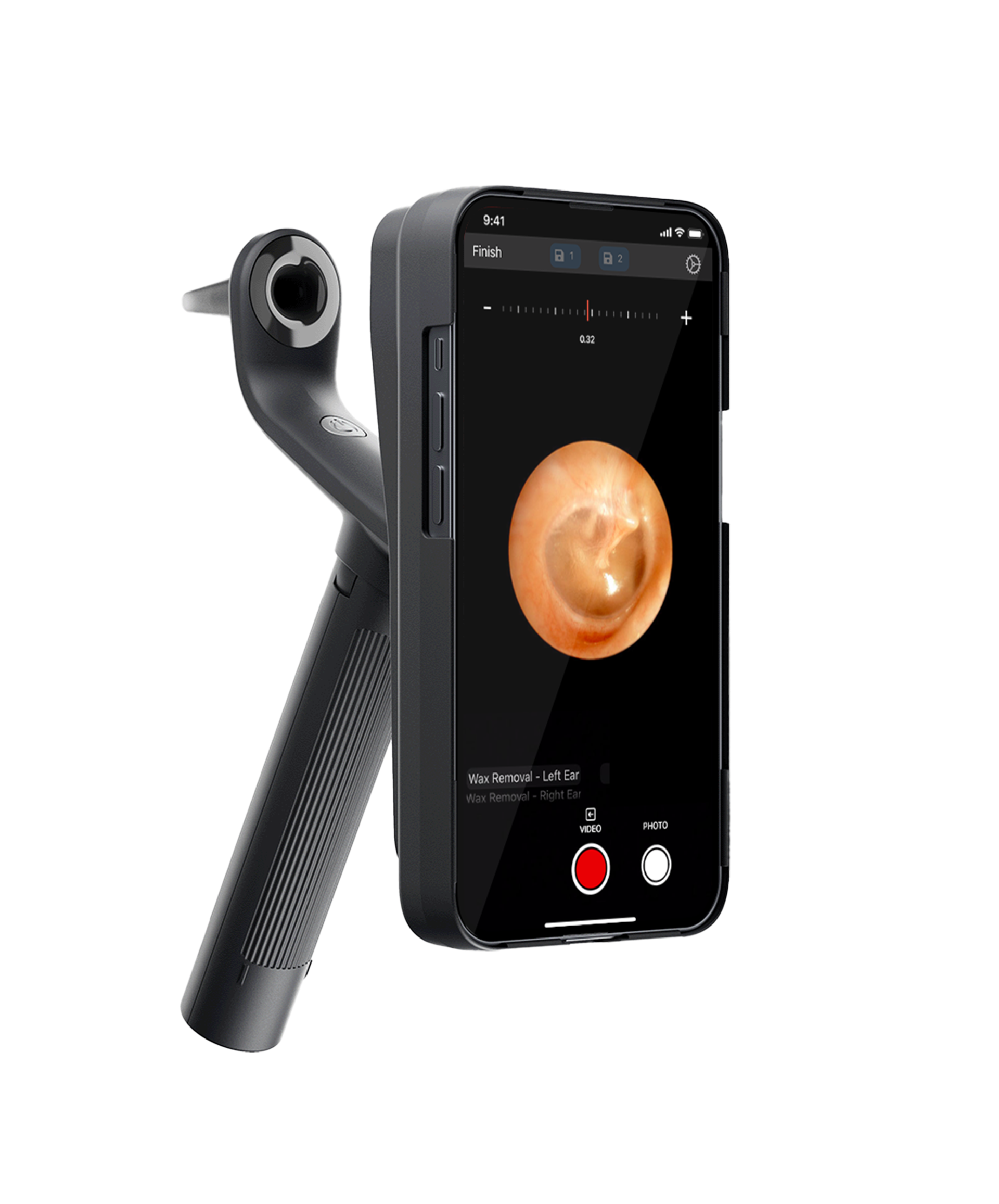
The following data was provided by the value-based customer and reflects the scaled specialist referral reduction in the first half of 2025 (January 1 through June 30).
The following data was extracted from the large value-based hospital system’s electronic medical record system (EMR) by a data analyst employed by the group.

Implementation of a scaled TympaHealth ear and hearing program in a large value-based hospital has shown to consistently reduce the number of specialist referrals required by >80% for patients seen with the Tympa.